
Positive Reinforcement Techniques for German Shepherds Explained

Positive reinforcement dog training is a crucial component in cultivating a well-mannered and obedient German Shepherd. This technique involves rewarding desired behaviours, leading to a better learning experience for both the dog and the handler. Understanding positive reinforcement is essential for German Shepherd owners, as this breed benefits significantly from training methods that enhance their natural intelligence and eagerness to please. Throughout this article, we will explore various positive reinforcement techniques, their benefits, and effective training methods specifically tailored for German Shepherds. Additionally, we will discuss how to apply these training techniques in a structured program, the importance of using appropriate rewards, and resources available for owners in Melbourne.
What Are Positive Reinforcement Techniques in Dog Training?
Positive reinforcement techniques refer to methods that increase the likelihood of a dog's desired behaviours by providing a reward immediately after the behaviour is exhibited. By focusing on rewarding good behaviour rather than punishing bad behaviour, owners can foster a more positive learning environment. This approach not only leads to better obedience but also strengthens the bond between the dog and its owner. Effective techniques commonly used include verbal praise, treats, and playtime, all of which provide motivational incentives for the dog. In the context of training German Shepherds, these methods can be particularly impactful due to their keen intelligence and desire to work alongside their handlers.
For those looking to implement these techniques effectively, German Shepherd K9 Training offers tailored services to assist owners in Melbourne. They specialize in developing structured training programs that utilize the principles of positive reinforcement to achieve unyielding obedience and remarkable behavioural development.
How Does Reward Based Dog Training Work for German Shepherds?
Reward-based dog training operates on the principle of operant conditioning, where behaviours are shaped through reinforcements. When a German Shepherd performs a desired action, offering a reward increases the likelihood that the behaviour will be repeated. This method harnesses the dog’s natural instincts and abilities, allowing for a more efficient and effective training process. Through this approach, dogs learn to associate specific commands with positive outcomes, enhancing their comprehension and obedience levels over time.
Research has shown that positive reinforcement plays a critical role in developing a dog’s emotional and cognitive skills. By using rewards strategically, owners can ensure that their German Shepherds not only learn to respond to commands but also develop a strong and trusting relationship with their handlers. This relationship encourages them to remain engaged and responsive throughout the training process.
Why Choose Positive Reinforcement Over Punishment in Training?
- Behavioural Benefits: Positive reinforcement encourages good behaviour by emphasising rewards, leading to a higher rate of compliance from the dog. In contrast, punishment can create fear and anxiety, damaging the bond between the dog and the owner.
- Enhanced Learning: Research indicates that dogs trained with positive reinforcement retain commands better than those subjected to punitive methods. This longevity in learning can contribute to more reliable obedience over time.
- Stronger Dog-Owner Relationships: By utilizing positive techniques, owners foster a relationship based on trust and mutual respect. This bond promotes a cooperative spirit, making the training sessions more enjoyable for both.
Overall, the choice to utilize positive reinforcement creates a more effective training environment that enhances the well-being and learning ability of German Shepherds.
Breed-specific Behaviour of German Shepherd Dogs
Studies suggest breed differences in boldness and trainability (Starling, et al, 2013, Turcsán,et al, 2011) and that the herding breeds (and GSD in particular, Fuchs, et al, 2005, Svartberg, 2002) are more trainable than other breeds, the most bold animals being the most trainable (Starling, et al, 2013, Svartberg, 2002, Turcsán, et al, 2011). Further it is suggested that enhanced performance in human directed tasks (Udell, et al, 2014) and behavioural tendencies are influenced by the original work purpose for which the breed type was selected (Spady, et al, 2008, Starling, et al, 2013) with a cautionary note that environmental factors ‘can mask, or even enhance potentially existing genetically potentiated breed differences’, Mirkó, et al, 2012. Breed-specific Behaviour of German Shepherd Dogs
What Are the Best Training Methods for German Shepherds Using Positive Reinforcement?
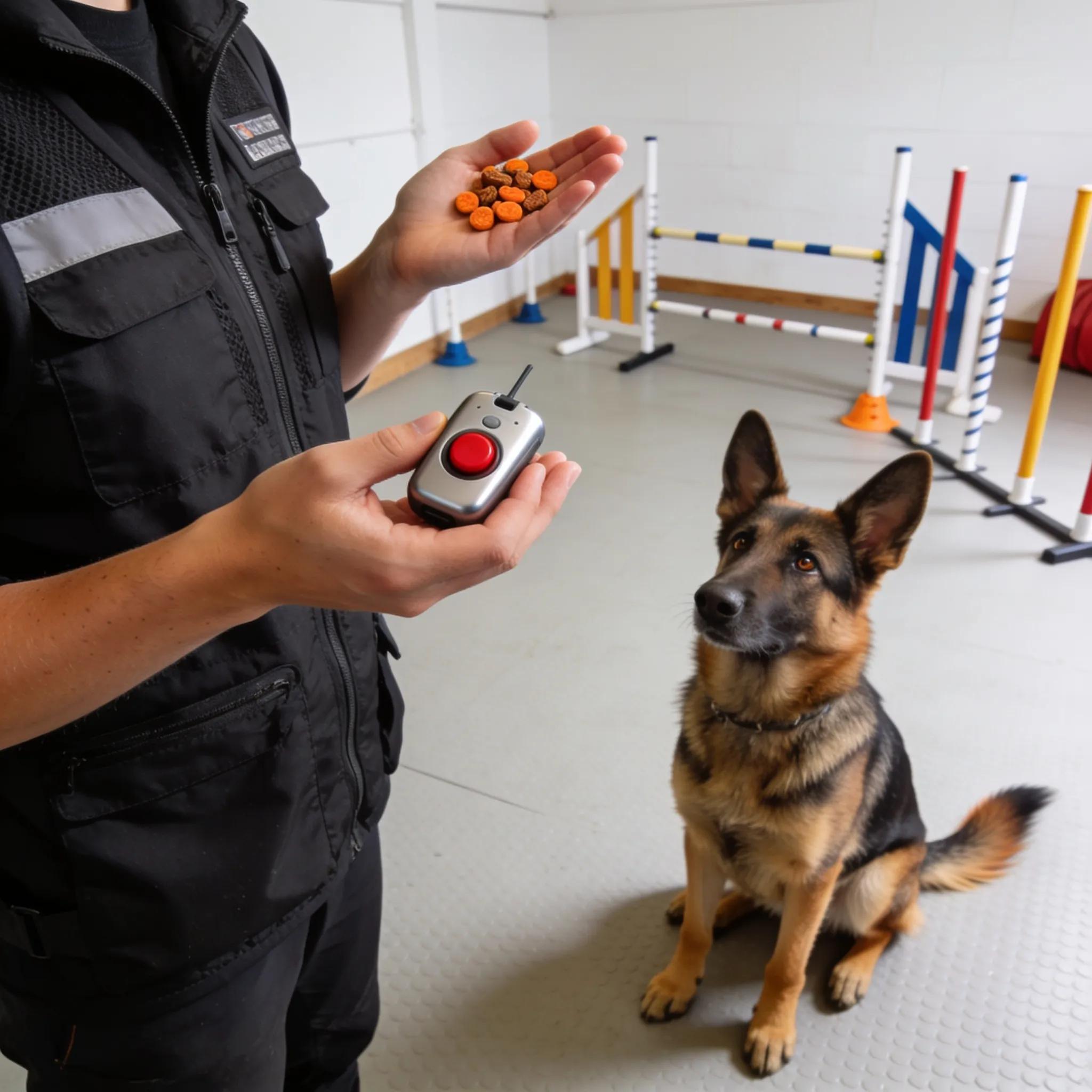
There are several effective training methods that leverage positive reinforcement techniques specifically suited for German Shepherds. Some recommended approaches include:
| Technique | Description | Benefits |
|---|---|---|
| Clicker Training | Uses a clicker to mark desired behaviours instantly. | Provides clear feedback and enhances learning speed. |
| Luring Techniques | Involves using treats to guide the dog into performing commands. | Engages the dog's interest and makes learning fun. |
| Structured Training Programs | Comprehensive programs focusing on routines and consistency. | Develops good habits and promotes long-term obedience. |
These methods not only align with the principles of positive reinforcement but are also adaptable to individual training needs.
How Is Clicker Training Applied to German Shepherd Obedience?
Clicker training is a versatile and effective method that employs a clicker device to signal correct behaviour at the very moment it occurs. The sound of the clicker is then followed by a reward, reinforcing the action in the dog’s mind. This technique provides precise timing that verbal cues may not always achieve.
The benefits of clicker training for German Shepherds include faster learning, as the dog receives immediate confirmation of correct behaviour. It also allows for more complex behaviour patterns to be taught, as the dog can be guided through a series of actions with the clicker as a consistent marker. This method is particularly effective for training commands without the risk of confusion often associated with verbal cues alone.
Clicker Training and Operant Conditioning for German Shepherds
Our studies demonstrated that the application of clicker training significantly accelerates the formation of stable conditioned reflexes. The use of the operant method ensured a reduction in the time required to master the basic command course ("Sit," "Down," "Stand," "Come") by 2.3–3.5 times compared to traditional techniques. The most pronounced effect was observed in the subgroup of 2-month-old male dogs, where the training period decreased from 22.67 ± 0.82 to 8.33 ± 1.08 days. The analysis of the coefficient of variation showed higher variability of results in the experimental groups (Cv = 17.6–20.37%) compared to the control (5.1–9.9%). This indicates the activation of individual cognitive abilities in animals under conditions of conflict-free communication and the absence of the depressive impact of mechanical coercion. EFFICIENCY OF OPERANT CONDITIONING IN TRAINING GERMAN SHEPHERD DOGS, 2026
Which Treats Work Best as Rewards for Positive Reinforcement?
Selecting the right treats is vital for maximising the effectiveness of positive reinforcement training. The best treats are those that are small, soft, and highly appealing to your dog. This ensures that the dog remains focused during training sessions and receives immediate gratification for their efforts. Here are some options:
- High-Value Treats: Items like small pieces of chicken or cheese can be particularly motivating during training, especially for a food-driven breed like the German Shepherd.
- Homemade Treats: These can be prepared in advance and customised to ensure they align with your dog's dietary preferences.
- Store-Bought Options: Look for training-specific treats that are low in calories but high in flavour to keep your dog engaged without overfeeding.
Providing the right rewards can significantly enhance the dog’s motivation and responsiveness during training sessions.
How Can Understanding German Shepherd Behaviour Improve Positive Reinforcement Training?
Understanding a German Shepherd's inherent behavioural traits can profoundly influence the effectiveness of training. This breed is known for its intelligence, energy, and willingness to please, which makes them particularly receptive to structured training sessions. Recognising their behavioural characteristics allows owners to tailor training sessions to meet their specific needs.
Identifying common behavioural patterns can help foster a positive training atmosphere. For instance, employing plenty of physical and mental stimulation can prevent behavioural issues related to boredom. By aligning training techniques with these behavioural insights, owners can effectively engage their German Shepherds and improve overall training outcomes.
What Is an Effective Training Schedule and Timeline for German Shepherds?
Creating and adhering to a well-structured training schedule is crucial for successful behavioural development in German Shepherds. An effective timeline includes:
- Daily Training Sessions: Short, focused sessions of about 5-10 minutes are ideal for maintaining engagement without overwhelming the dog.
- Weekly Goals: Setting specific goals for each week, such as mastering a new command, can help track progress and provide motivation.
- Regular Reviews: Consistently revisiting previously learned commands reinforces skills and ensures retention.
By following a structured timeline, owners can cultivate a disciplined training regimen, enhancing both learning speed and retention.
How Long Does It Take to Train a German Shepherd with Positive Reinforcement?
The duration of training a German Shepherd using positive reinforcement varies based on several factors, including the dog's age, past experiences, and the consistency of training efforts. Generally, owners can expect to see initial responsiveness within a few training sessions; however, achieving a high level of obedience usually takes several weeks to months of consistent practice.
Most training experts suggest that with dedication and proper reinforcement techniques, basic commands can typically be mastered within 4-6 months. However, advanced training or addressing specific behavioural issues may require a longer commitment.
Why Is Training Consistency Vital for Successful Obedience?
Consistency is perhaps the most crucial element in successful dog training. For effective positive reinforcement, it's vital that commands, cues, and rewards remain uniform across all training sessions. This approach helps solidify learning, as dogs thrive on routine and predictability.
Additionally, consistent training fosters a clear understanding of expectations. When commands are used variably, dogs may become confused, leading to inconsistent responses. Adhering to a consistent schedule not only accelerates learning but also enhances the relationship between the dog and the owner, leading to a harmonious training experience.
Where Can Melbourne Dog Owners Find Local Support for Reward Based Training?
For dog owners in Melbourne seeking support for reward-based training, there are numerous resources available, including:
- Local Training Centres: Facilities specializing in positive reinforcement methods can offer hands-on training assistance and guidance.
- Online Communities: Engaging with fellow dog owners through social media and forums can provide valuable support and share experiences.
- Books and Articles: Comprehensive literature on dog training can offer insights into different methods and techniques for successful training practices.
These resources can play a crucial role in enriching the training experience and enhancing owner capabilities.
What Are the Best Melbourne Dog Training Resources for Positive Reinforcement?
In Melbourne, several reputable training resources focus on positive reinforcement methodologies. These include:
- Training Facilities: Various local centres offer specialized courses in dog training, focusing on positive methods. They often employ expert trainers familiar with German Shepherd behaviours.
- Pet Supply Stores: Many stores provide training aids and supplies designed to enhance positive reinforcement practices during training.
- Training Blogs and Websites: Online platforms that detail various training techniques and tips can serve as excellent reference materials for both novice and experienced trainers.
By utilizing these resources, dog owners can access valuable information that supports their training objectives.
How Do Local Trainers Customise Techniques for German Shepherds?
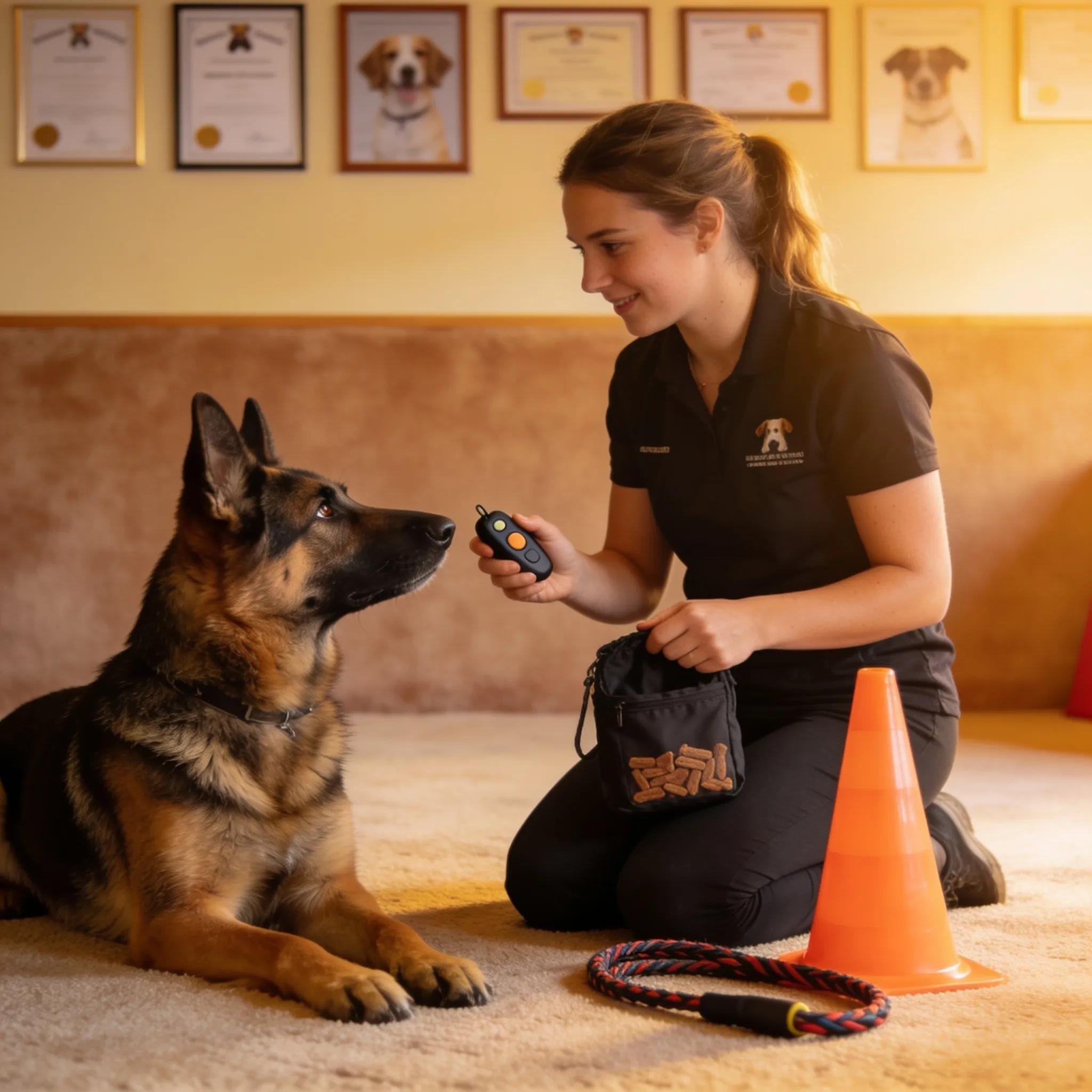
Local trainers in Melbourne often adapt their techniques to cater specifically to the unique characteristics and needs of German Shepherds. This customisation includes understanding the breed’s intelligence, temperament, and common behavioural tendencies.
Effective trainers may assess each dog’s learning style and adjust methods accordingly. For instance, some German Shepherds may respond better to visual cues, while others may thrive with verbal commands. This tailored approach ensures that training sessions are both productive and enjoyable, facilitating better learning outcomes and obedience levels.
Overall, understanding the dynamics of German Shepherds enables trainers to implement positive reinforcement methods in a manner that resonates with the breed, effectively enhancing training efficiency and dog-owner relationships.