
German Shepherd Aggression Solutions in Melbourne Explained
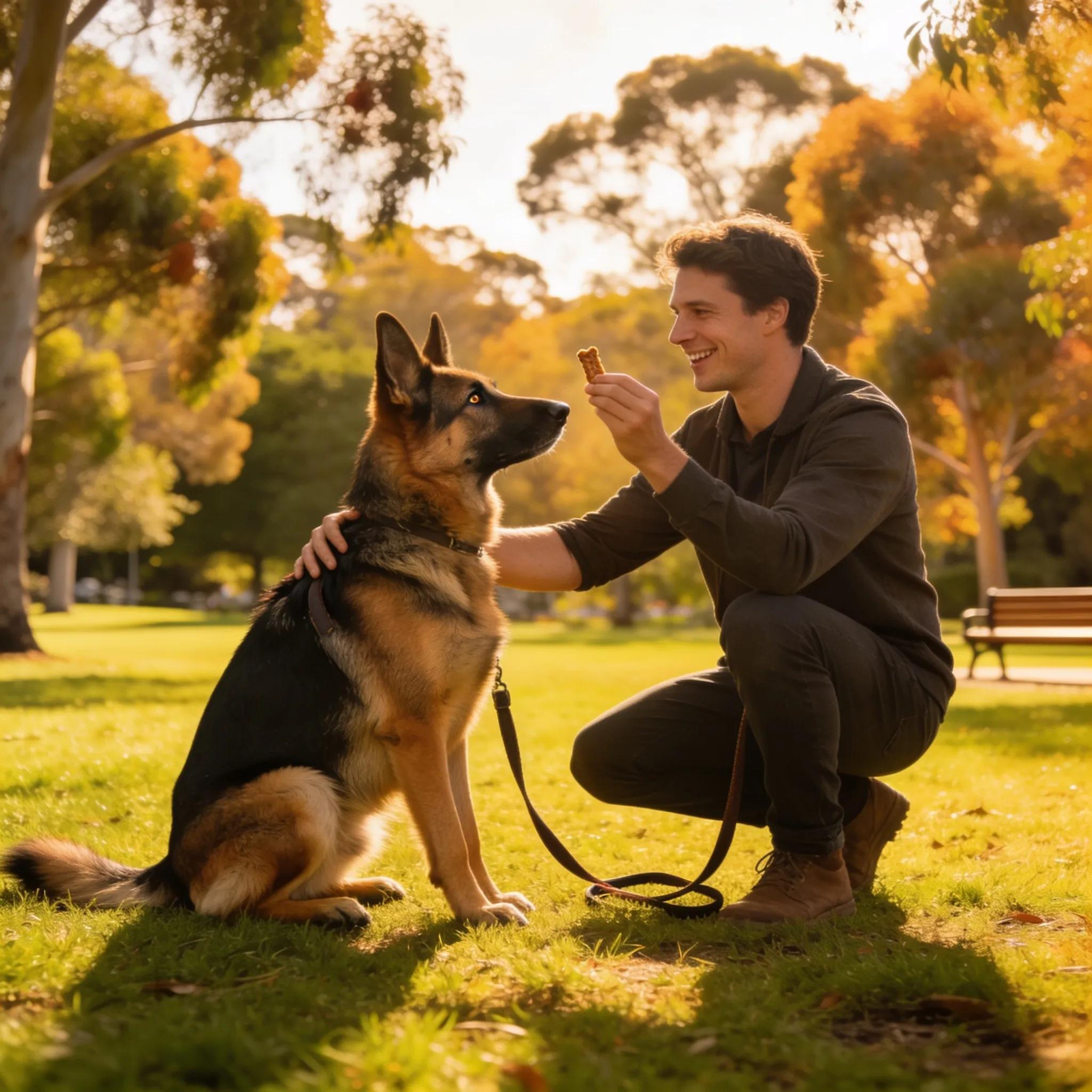
Understanding aggression in German Shepherds is crucial for pet owners, particularly in a vibrant city like Melbourne where dog behaviour can significantly impact community dynamics. This article will explore the triggers of aggressive behaviour in these intelligent dogs and provide effective training solutions to mitigate these issues. We will delve into the various types of aggression observed in German Shepherds while offering practical insights into behavioural training techniques that can foster better communication and connection between dogs and their owners. Additionally, the article will address local training options available in Melbourne, including the reputable German Shepherd K9 Training service that offers tailored aggression solutions. By equipping you with knowledge about behaviours, training methodologies, and available resources, we aim to empower dog owners with the tools to promote a harmonious relationship with their German Shepherds.
What Causes Aggression in German Shepherds? Understanding Types and Triggers
Aggression in German Shepherds is often a complex behaviour stemming from various psychological and environmental factors. Understanding what types of aggression exist and their underlying triggers is essential in managing this behaviour.
What are common aggression types in German Shepherds in Melbourne?
German Shepherds may exhibit several forms of aggression, including:
- Fear Aggression: This occurs when a dog feels threatened and reacts defensively.
- Territorial Aggression: This type of aggression manifests when a dog perceives an intrusion into its home or personal space.
- Dominance Aggression: Common in dogs that assert themselves over other animals or humans, leading to confrontational behaviour.
Recognising these types is a foundational step in addressing aggression effectively.
Understanding fear-induced aggression is particularly important, as demonstrated by real-world cases involving working dogs.
German Shepherd Fear Aggression Management in Military Working Dogs
A six-year-old, 26 kg, neutered male German Shepherd Dog serving as a military working dog in South Korea was presented for progressive aggression toward unfamiliar individuals, including multiple incidents of level 3 bites. As no medical cause was identified, the patient was referred for a behavioural consultation, during which fear-induced aggression was diagnosed. A multimodal treatment plan was implemented, incorporating environmental management, behavioural treatment, and pharmaceutical treatment. While complete resolution was not achieved, the aggression was reduced to a functionally manageable level. Fear-Induced Aggression of a Military Working Dog in South Korea: A Case Report, 2025
Which factors trigger aggression behaviours in German Shepherds?
Aggression is often triggered by:
- Stress and Emotional Overload: Dogs with heightened stress may react aggressively when they feel cornered.
- Need for Predictability: Unpredictable environments can cause anxiety, leading to aggressive responses.
- Behaviour History: Understanding a dog's past experiences and traumas can help identify triggers for aggressive behaviour.
Identifying these factors can aid in the development of tailored training strategies to reduce aggression.
How Can Behavioural Training Reduce Aggression in German Shepherds?
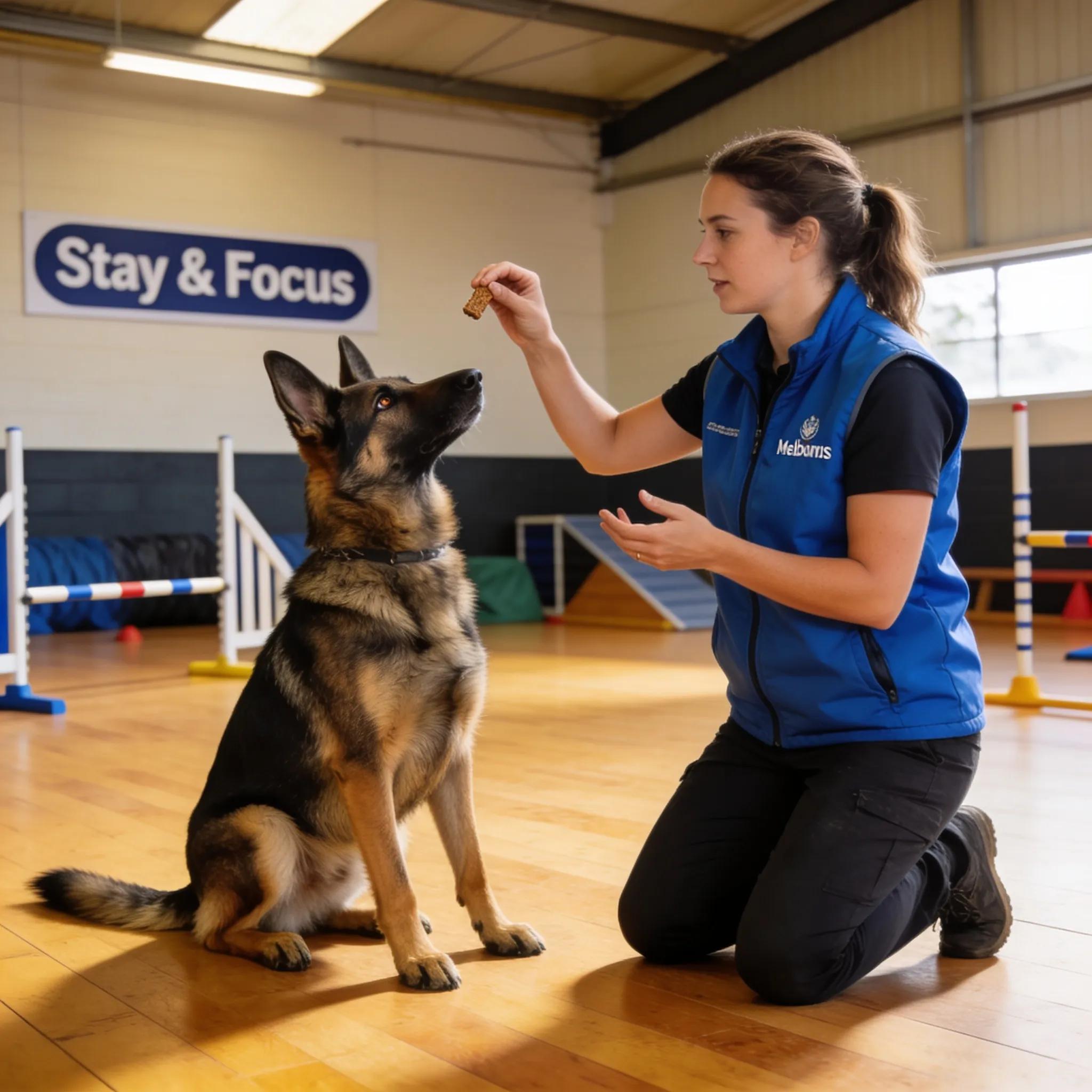
Behavioural training plays a pivotal role in managing and reducing aggression in German Shepherds. By implementing structured techniques, owners can significantly impact their dogs' behaviour and overall temperament.
Training Techniques
Effective training strategies for addressing aggression include:
- Comprehensive Behaviour Assessment: Understanding the specific triggers and types of aggression helps tailor the training process.
- Emotional Regulation Skills: Teaching dogs strategies to manage their emotions can limit aggressive outbursts.
- Positive Reinforcement Methods: Utilizing rewards-based training encourages desired behaviours, replacing aggression with positive actions.
This structured approach not only improves behaviour but also enhances the bond between the dog and owner.
Many trainers advocate for positive reinforcement methods, which have proven highly effective in managing and redirecting aggressive behaviours.
Positive Reinforcement Training for German Shepherd Aggression
Growing numbers of positivereinforcement dog trainers have done this, to the great benefit of both dogs and people, and the methods themselves are based on sound principles of learning theory. For years, I applied positive reinforcement training to dogs I encountered in animal shelters without much difficulty, but when it came to dealing with my biting dog, the data obtained by watching my own behaviour in relation to my dog’s was fascinating and humbling. Plenty in Life is Free: Reflections on dogs, training and finding grace, 2012
Expected Outcomes
Successful behavioural training can lead to several positive outcomes:
- Increased Calmness in Dogs: Dogs learn to react to stressful situations in a more controlled manner.
- Enhanced Owner-Dog Communication: Improved techniques facilitate better understanding and interaction between dog and handler.
- Long-Term Behavioural Change: Consistent training leads to sustainable modifications in aggressive behaviour.
Setting realistic expectations is essential in fostering a positive training experience.
Expert Recommendations
Experts emphasise the importance of ongoing support and structured programs:
- Structured Training Programs: These provide consistent approaches to training which are crucial for mitigating aggressive behaviour effectively.
- Ongoing Support Importance: Access to continuous professional guidance helps reinforce training techniques.
- Real-World Application of Skills: Applying learned skills in varied environments prepares dogs for real-life challenges, reducing anxiety-driven aggression.
Implementing expert recommendations can ensure the best outcomes for aggressive German Shepherds.
Where to Find German Shepherd Aggression Training Services in Melbourne?
Finding professional training services that specialize in aggression management is critical for dog owners dealing with aggressive behaviour.
- German Shepherd K9 Training Services: Located in Altona North, Victoria, this service focuses on tailored solutions for aggression in German Shepherds.
- Contact Information: For inquiries, you can reach them at 0478 735 555.
Utilizing local training services can help owners navigate the complexities of canine aggression effectively.
What local dog training academies specialize in aggression management?
Several dog training academies in Melbourne are known for their expertise in aggression management. They focus on tailored training solutions that address the specific behavioural needs of aggressive dogs.
German Shepherds are a popular breed among owners seeking dog training in Melbourne, indicating a significant need for specialized aggression management services.
Melbourne Dog Training: German Shepherds Popularity and Owner Satisfaction
While owners choose to attend obedience training classes and how attending dog-training schools in Melbourne, Australia, the most popular breeds being German shepherds (10.7%), golden retrievers (9.6%) and labrador retrievers (7.7%). Factors influencing owner satisfaction with companion-dog-training facilities, 2007
How do Melbourne canine behaviorists assess and treat aggressive dogs?
Canine behaviorists employ various assessment techniques to understand aggressive behaviour better. They often focus on behavioural assessments that consider:
- Behavioural Assessment Importance: Identifying the specific nature of aggression.
- Emotional Regulation Techniques: Methods to stabilize a dog’s emotional responses.
Professionals leverage their expertise to develop individualized treatment plans aimed at mitigating aggressive tendencies.
What Are Successful Cases and Testimonials of Aggression Solutions in Melbourne?

Hearing from others who have navigated aggression issues with their German Shepherds can provide valuable insights into successful training strategies.
Which case studies demonstrate effective German Shepherd aggression management?
Several case studies highlight successful interventions that reshaped aggressive behaviours. For example:
- Case Study of Fear Aggression: A German Shepherd was able to overcome fear-driven aggression through systematic desensitization paired with positive reinforcement training.
- Territorial Aggression Example: Another dog learned to manage its territorial instincts with the help of behaviour specialists focused on enhancing situational awareness.
These examples illustrate the effectiveness of structured intervention.
What do Melbourne dog owners say about aggression training experiences?
Many pet owners express satisfaction with their experiences in aggression training, highlighting:
- Common Themes in Testimonials: Owners often report a significant reduction in aggression and improved overall temperament of their dogs.
- Impact on Dog-Owner Relationships: Successful training not only modifies behaviour but strengthens the bond between pet and owner, fostering mutual respect and understanding.
Testimonials confirm that with effort and the right guidance, noticeable improvements are achievable.
Which Frequently Asked Questions Help With German Shepherd Aggression in Melbourne?
Understanding frequently asked questions surrounding aggression can aid in navigating training paths for German Shepherds.
When should I consult a behaviorist for my aggressive German Shepherd?
Identifying the right moment to seek help is crucial. Signs include:
- Recognising Signs of Aggression: Any patterns of uncontrolled aggression suggest an underlying issue needing professional evaluation.
- Importance of Early Intervention: The sooner a behaviorist can assess the situation, the better the chance of effective intervention.
Addressing concerns promptly can lead to a more manageable situation for both the dog and the owner.
Can aggression in German Shepherds be fully cured or managed?
While many owners seek to fully eliminate aggression, it’s often more realistic to focus on management strategies:
- Long-Term Management Strategies: Training focuses on teaching dogs to manage their impulses rather than eradicating the behaviour entirely.
- Role of Ongoing Training and Support: Continued support is vital for maintaining positive behavioural changes over time.
Understanding these expectations helps prepare owners for their training journey with their German Shepherds.
How Do Melbourne Regulations and Cultural Factors Influence Aggressive Dog Management?
Local regulations and cultural attitudes play a vital role in how aggressive behaviour is approached and managed in pets.
What local laws affect German Shepherd ownership and aggression solutions?
Awareness of relevant laws is essential for responsible pet ownership:
- Licensing and Registration Requirements: Ensures compliance with local regulations regarding pet ownership.
- Enforcement of Leash Laws: Adhering to leash laws can prevent incidents and ensure safe public interactions.
Understanding these laws helps to create a safe community for all pets and their owners.
How does Melbourne’s community culture impact training and behaviour outcomes?
The community culture in Melbourne influences various aspects of dog training, including:
- Attitudes Towards Aggressive Breeds: Local perceptions of certain breeds can shape training and ownership experiences.
- Support Networks for Pet Owners: Engaging with community groups can provide additional resources and support for dog owners.
Navigating these cultural elements can enhance the overall training experience for owners and their German Shepherds.